1. Decide What Kind of Safari Experience You Want
Not all safaris are the same, so the first step is defining your ideal experience. Ask yourself:
Do you want to see the Big Five (lion, elephant, buffalo, leopard, rhino)?
Are you interested in the Great Migration of wildebeest and zebras?
Do you prefer a luxury lodge, a mid-range camp, or a budget-friendly adventure?
Would you enjoy photography-focused safaris, walking safaris, boat safaris, or family-friendly trips?
Your answers will shape every other decision—from destination to budget.
2. Choose the Right Destination
Africa has many world-class safari countries, each offering a unique experience:
Kenya – Famous for the Maasai Mara and the Great Migration; excellent for first-time safari travelers.
Tanzania – Home to Serengeti National Park, Ngorongoro Crater, and Mount Kilimanjaro; ideal for classic and extended safaris.
South Africa – Great infrastructure, malaria-free options, and private reserves like Kruger; perfect for families and self-drive safaris.
Botswana – Known for exclusive, high-end safaris and pristine wilderness like the Okavango Delta.
Uganda & Rwanda – Best for gorilla and chimpanzee trekking combined with wildlife safaris.
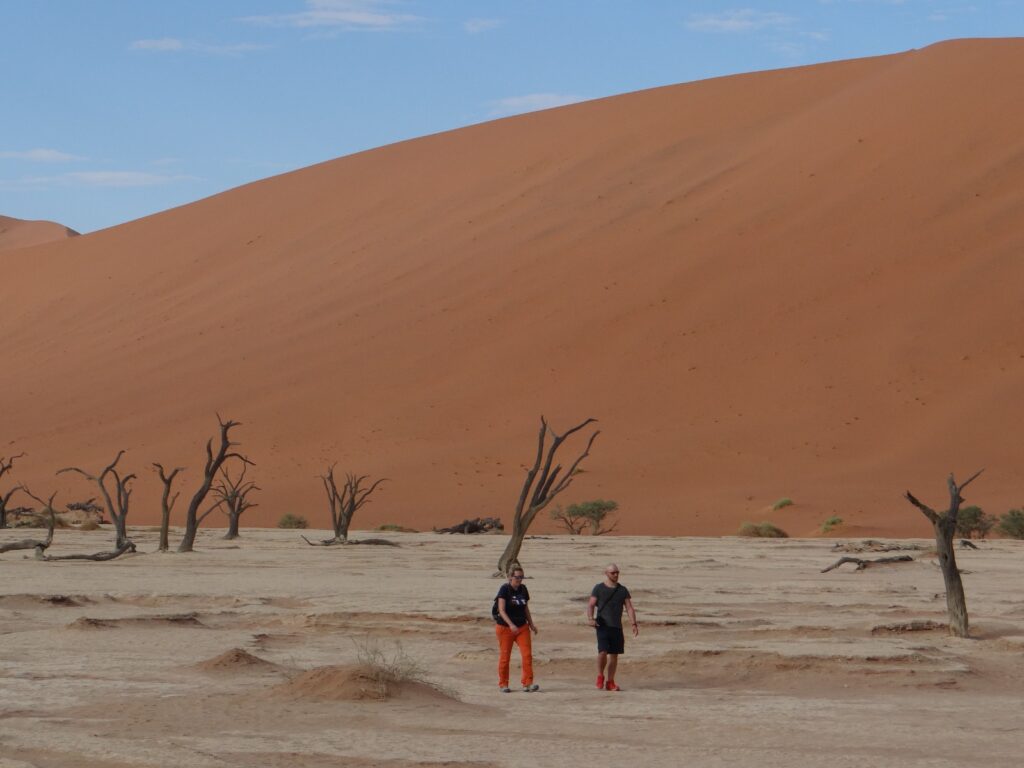
Namibia – Stunning desert landscapes, Etosha National Park, and excellent photographic opportunities.
3. Pick the Best Time to Go
Timing is crucial for wildlife viewing and overall comfort.
Dry Season (June–October):
Best for game viewing, as animals gather around water sources. Cooler temperatures and fewer mosquitoes.
Green/Wet Season (November–May):
Lush landscapes, fewer tourists, lower prices, and excellent birdwatching. Calving season attracts predators, making for dramatic sightings.
If your goal is the Great Migration, plan:
July–September for river crossings in Kenya/Tanzania
January–March for calving season in southern Serengeti
4. Set a Realistic Budget
Safari costs vary widely depending on destination, season, and travel style. Consider:
Accommodation (luxury lodges vs. tented camps)
Park fees and conservation fees
Domestic flights or ground transport
Professional guides and game drives
Meals and drinks
Tips and optional activities
A safari can range from budget-conscious group tours to exclusive private safaris, so defining your budget early helps avoid surprises.
5. Choose the Right Accommodation
Safari accommodations are an experience in themselves:
Luxury Lodges: High-end comfort, gourmet dining, private decks, and personalized service.
Tented Camps: Blend comfort with a close-to-nature feel; often located inside national parks.
Mobile Camps: Follow wildlife movements, especially during migration seasons.
Eco-Lodges: Focus on sustainability and community involvement.
Location matters more than luxury—staying close to wildlife areas maximizes game-viewing time.